The Role of Anonymity in Online Self-Expression and Social Discovery
By raW Insights, 2026-11-06
Think about the last time you wanted to share an honest opinion online but decided not to.

Maybe you worried about how people would react. Maybe your name, profile picture, or existing online image made you think twice.
It’s a familiar experience. We have more ways to communicate than ever, but being completely comfortable expressing ourselves online isn’t always easy.
This raises an interesting question: could anonymity make it easier to express who we are and connect with people who think like us?
Why being yourself online isn’t always easy
Most social platforms place identity before conversation. Your name, photos, followers, and online history can shape how others see you before you’ve even said anything.
That doesn’t automatically make these platforms bad. But it can create pressure to maintain a certain image.
Instead of sharing what you genuinely think, you might consider whether your opinion sounds interesting, whether people will agree, or how it could affect the way others perceive you.
Over time, expressing yourself can start to feel like performing.
And when every interaction is connected to a visible identity, some conversations never happen.
What research tells us about online anonymity
Anonymity has been studied by researchers interested in online communication and self-disclosure.
In 2004, psychologist John Suler introduced the concept of the online disinhibition effect. His research explored why people sometimes express themselves more openly online than they would face-to-face, identifying anonymity and other online conditions as contributing factors.
A 2019 meta-analysis by Clark-Gordon and colleagues examined 14 studies on anonymity and online self-disclosure. It found a positive average relationship between anonymity and self-disclosure, although the results varied across studies.
Another study by Ma, Hancock, and Naaman, published at the 2016 ACM CHI Conference, examined how anonymity and audience type influence people’s willingness to share personal information on social media.
Anonymity doesn’t guarantee honesty, but it can change the social conditions around self-expression.
Together, these studies suggest that anonymity can influence how comfortable people feel sharing their thoughts.
Anonymity isn’t the same as having no responsibility
There is another side to the conversation. Anonymity can create room for openness, but it can also make harmful behaviour easier. People may misuse anonymous spaces to harass others, spread misinformation, or avoid accountability.
That’s why anonymity alone isn’t enough.
A healthy anonymous community still needs clear guidelines, moderation, privacy protections, and ways to report harmful behaviour.
The goal shouldn’t be to remove responsibility. It should be to reduce unnecessary social pressure while keeping people safe.
From self-expression to social discovery
Being able to share an honest thought is one thing. Finding someone who understands it is another.
Online connection often starts with visible similarities: the same interests, lifestyle, location, or social circle. But meaningful conversations can also begin with something less obvious: a shared opinion, an unexpected answer, or a similar way of looking at the world.
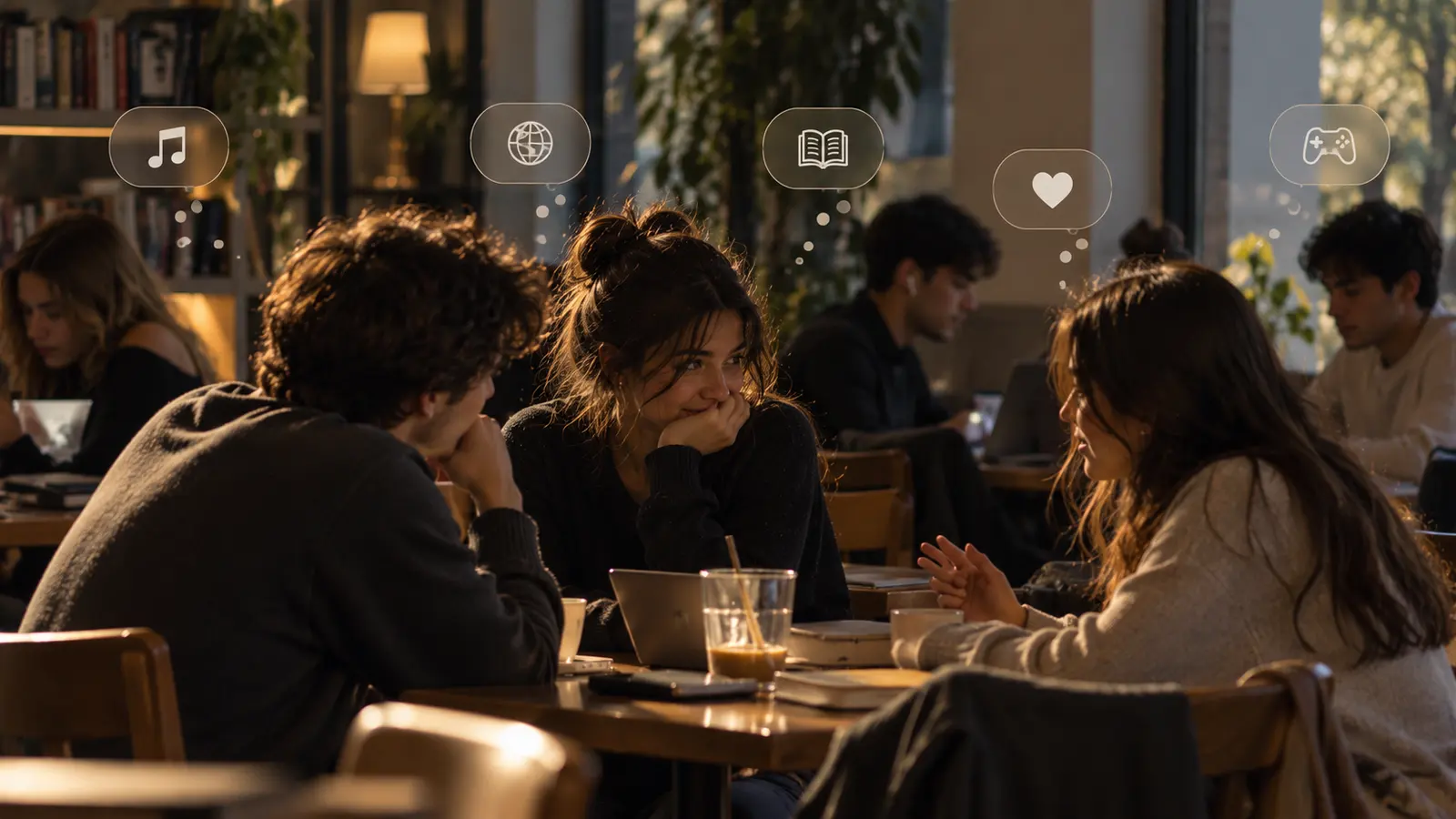
This is where social discovery can take a different direction. Instead of asking people to present themselves first, platforms can create opportunities for people to connect through what they think, feel, and want to discuss.
The conversation becomes the starting point, not the profile.
A different approach to online connection
At raW, we believe that people should have room to express themselves without feeling like they need to maintain a public image.
Built around questions, polls, and shared perspectives. raW is an anonymous, answers-first social discovery app where people connect through what they think rather than how their profile looks.
The idea is simple:
Answer: share your thoughts through questions and polls. Compare: see how your perspective relates to others. Discover: find people and communities with similar ways of thinking. Join: enter conversations that interest you. Talk: build connections through actual conversations. Learn: discover new perspectives along the way.
Through Cumulative Minds, raW also explores how anonymous answers can reveal patterns in the way people think.
It’s a different starting point for meeting people. Less focus on how you present yourself, more focus on what you have to say.
The future of online self-expression
Anonymity isn’t a solution to every problem in digital communication. And it doesn’t automatically create meaningful relationships.
But research suggests that the way an online space is designed can influence how people express themselves and interact with others.
Perhaps the next step in social discovery isn’t another way to build a better profile. Perhaps it’s creating spaces where people can start with a thought, find someone who relates, and let a real conversation follow.
Because connection shouldn’t have to begin with a performance.
Discover yourself. Find your people. Grow through connection.
Explore raW at myraw.app.
References & further reading
The following research and resources informed this article:
1. Suler, J. (2004). The Online Disinhibition Effect. CyberPsychology & Behavior, 7(3), 321–326.
2. Clark-Gordon, C. V., Bowman, N. D., Goodboy, A. K., & Wright, A. (2019). Anonymity and Online Self-Disclosure: A Meta-Analysis. Communication Reports, 32(2), 98–111.
3. Ma, X., Hancock, J. T., & Naaman, M. (2016). Anonymity, Intimacy and Self-Disclosure in Social Media. Proceedings of the 2016 CHI Conference on Human Factors in Computing Systems.
4. World Health Organization (2025). From Loneliness to Social Connection: Charting a Path to Healthier Societies.
Read next: Anonymous Social Apps: How They Work and Why People Use Them
Frequently asked questions
Does anonymity make people more open online?
Research suggests it can. Suler’s online disinhibition effect (2004) identified anonymity as one reason people express themselves more openly online, and a 2019 meta-analysis of 14 studies found a positive average relationship between anonymity and self-disclosure, though results varied.
Is online anonymity harmful?
It can be misused for harassment, misinformation, or avoiding accountability. That’s why healthy anonymous communities still need clear guidelines, moderation, privacy protections, and ways to report harmful behaviour.
How does anonymity help social discovery?
When profiles aren’t the starting point, people can connect through what they think, feel, and want to discuss. On raW, an anonymous, answers-first social discovery app, connections start from questions, polls, and shared perspectives.